Age
Paper, plastic, magnetic tape, and optical discs can weaken or deteriorate over time.
Physical media can survive for many years when it is stored and handled correctly. Libraries, archives, museums, preservation groups, and individual collectors all help protect books, recordings, films, and games from being lost.
Paper, plastic, magnetic tape, and optical discs can weaken or deteriorate over time.
Water, heat, sunlight, dust, scratches, and improper handling can damage physical media.
Some formats become difficult to use when their original players and replacement parts are no longer produced.
Rare books, albums, movies, and games may have only a small number of surviving copies.

Libraries preserve books, newspapers, magazines, photographs, recordings, maps, and other historical materials.
Some libraries maintain special collections with rare or fragile items that require controlled temperature, humidity, and lighting.
Archives also organize information so future students, researchers, and members of the public can study materials from earlier time periods.
Preservation allows information to remain available even when the original creators and publishers are no longer active.
Film reels, VHS tapes, DVDs, and Blu-rays can all experience damage or deterioration.
Preservation specialists inspect, clean, repair, and properly store original materials. They may also create additional copies so the content is not dependent on one fragile item.
Older movies and television programs can be lost when studios discard materials, storage conditions are poor, or no usable copies remain.
Restoring and preserving original copies helps maintain the image, sound, credits, and historical details of a production.
Preserving a video game can be more complicated than preserving a book or music album.
A game may require a working console, controller, operating system, server, update, or online account. If one of these parts becomes unavailable, the game may become difficult or impossible to experience.
Physical cartridges and discs can help preserve the original software, but modern games may still depend on downloads and online services.
Game preservation protects both the software and the technology needed to play it.
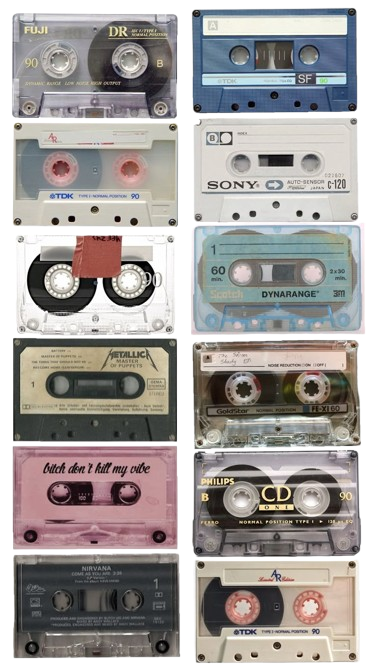
Lost media is content that once existed but is no longer publicly available or cannot currently be located.
It may include movies, television episodes, songs, books, advertisements, websites, or video games.
Media can become lost because copies were destroyed, discarded, improperly stored, or released in very limited quantities.
Collectors sometimes rediscover missing media in attics, storage units, secondhand stores, old recordings, or forgotten personal collections.
A single surviving copy can sometimes restore a piece of cultural history.
This video introduces the importance of protecting and maintaining physical media collections.
Video file: Physical Media Preservation
Store items away from water, leaks, moisture, and areas with high humidity.
Sunlight can fade covers, weaken paper, and damage printed artwork.
Avoid storing media in extremely hot or cold locations such as cars, garages, or attics.
Keep discs, cartridges, tapes, and records inside clean protective cases or sleeves.
Hold discs by their edges and avoid touching the readable surface.
Labels and inventories make it easier to locate items and notice when something is missing or damaged.
| Format | Recommended Storage | Common Risks |
|---|---|---|
| Books | Store upright on clean shelves in a dry, temperature-controlled room. | Water, mold, insects, sunlight, and torn pages. |
| Vinyl Records | Store vertically inside protective inner and outer sleeves. | Warping, scratches, dust, and heat. |
| CDs, DVDs, and Blu-rays | Store inside cases and keep the readable surface clean. | Scratches, cracks, heat, and damaged cases. |
| Cassette and VHS Tapes | Keep inside cases and away from heat, moisture, and strong magnets. | Tangled tape, mold, magnetic damage, and aging players. |
| Game Cartridges | Store in protective cases and keep connection points clean. | Dust, corrosion, damaged labels, and failing internal batteries. |